
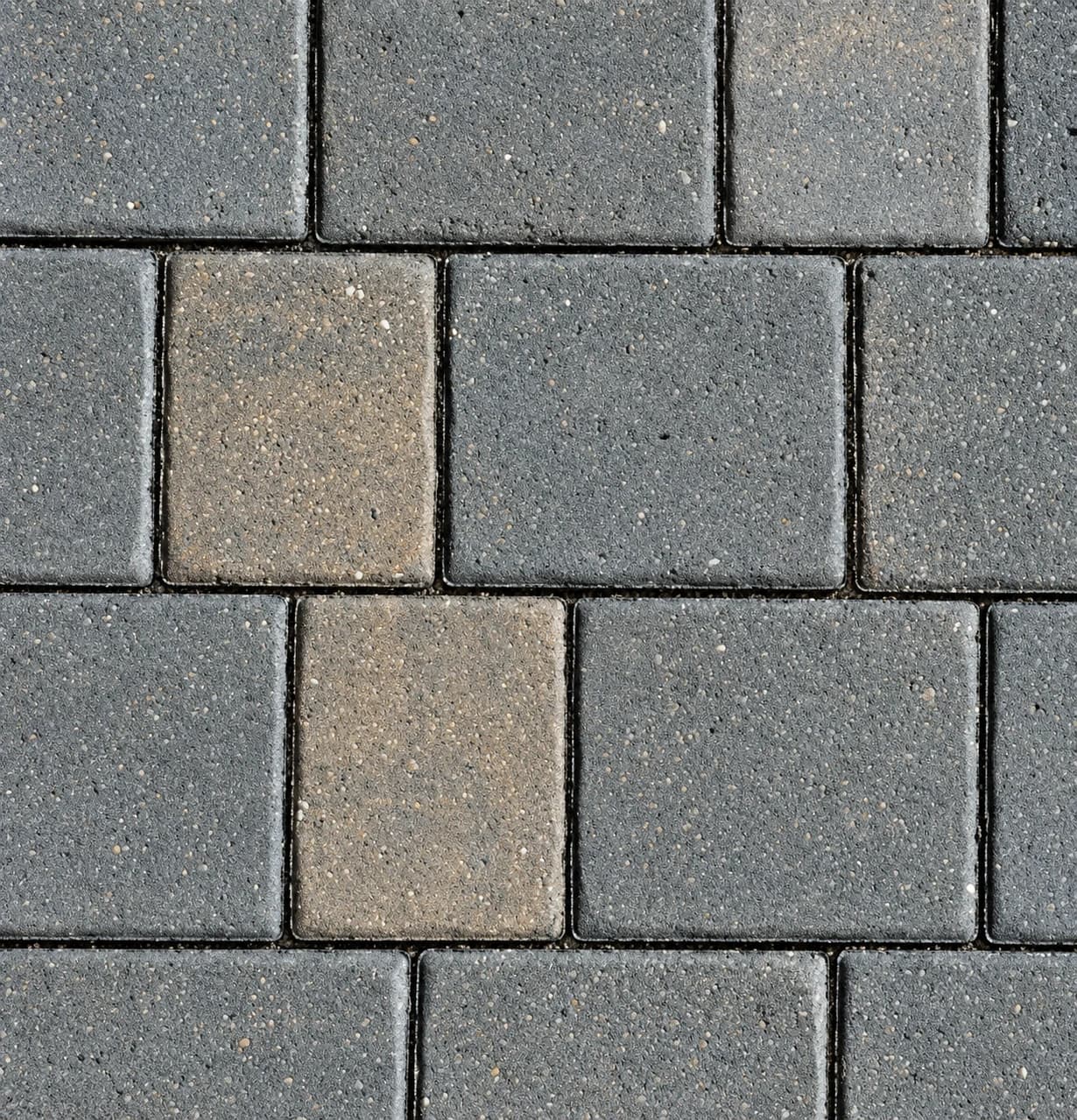
Concrete paver pattern
Valencia
6 × 6 inches · 6 × 9 inches
Cobbled edge, flat surface
Thickness: 60 mm
Two component sizes create a repeating rhythm. Compare the pattern with the width of the driveway and the scale of the border.
Explore patternDriveways
Give the approach to your home the same care as the spaces inside. Explore the relationship between paving, planting, borders, and the architecture beyond.
Explore Products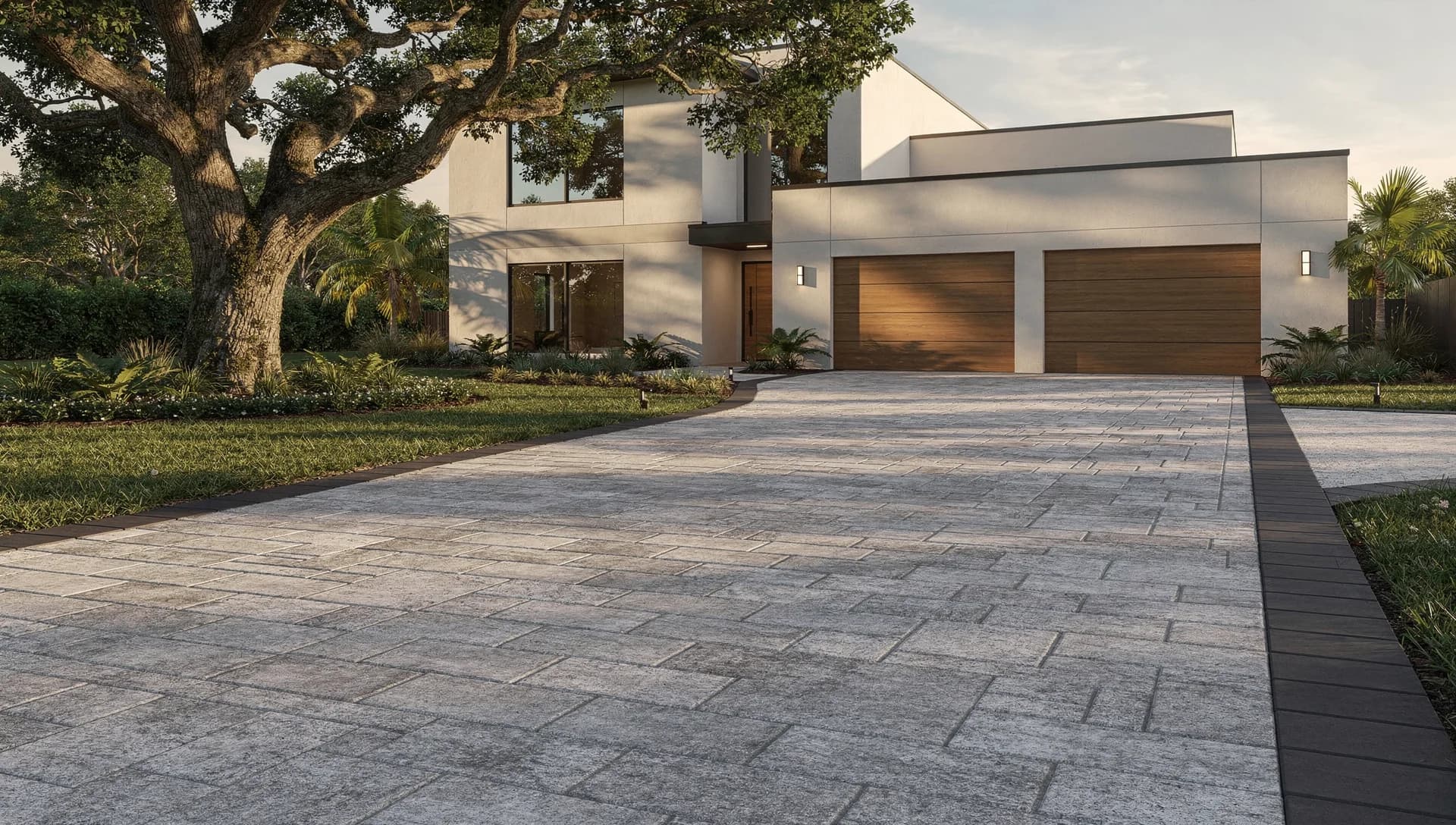
Design & material ideas
Look at the whole approach, from the road to the garage and front entry. A contrasting border can define the driveway edge; a coordinated walkway can carry the same palette toward the door. Compare light and dark samples beside your house in both sun and shade.
Lay out the pattern across the actual driveway width before settling on a format. Discuss garage thresholds, turning areas, vehicle use and where rainwater will go with your installer. The pattern is a design choice; the complete pavement system needs a site-specific review.
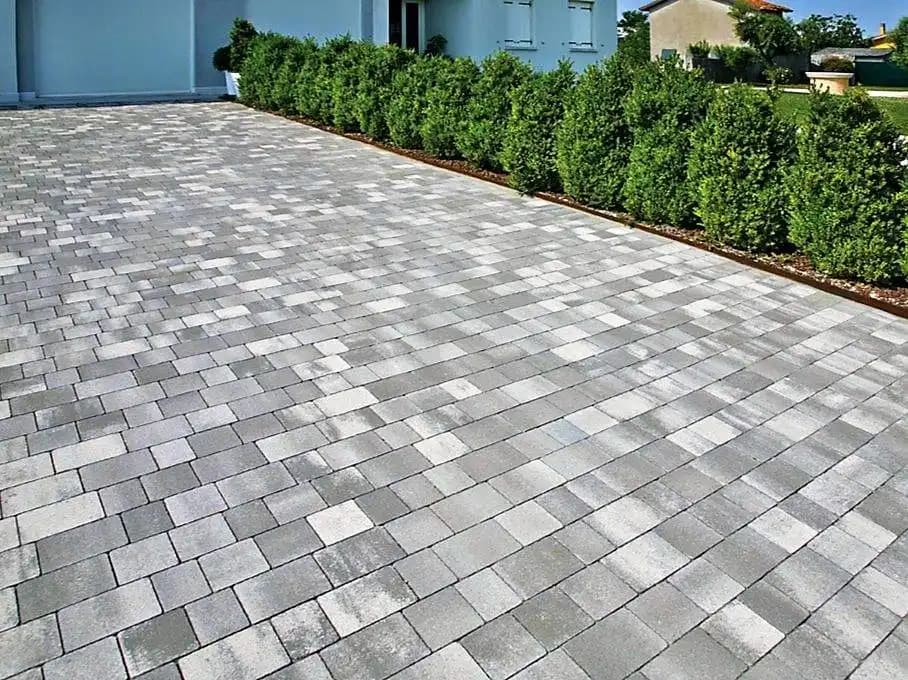
Concrete paver pattern
6 × 6 inches · 6 × 9 inches
Cobbled edge, flat surface
Thickness: 60 mm
Two component sizes create a repeating rhythm. Compare the pattern with the width of the driveway and the scale of the border.
Explore pattern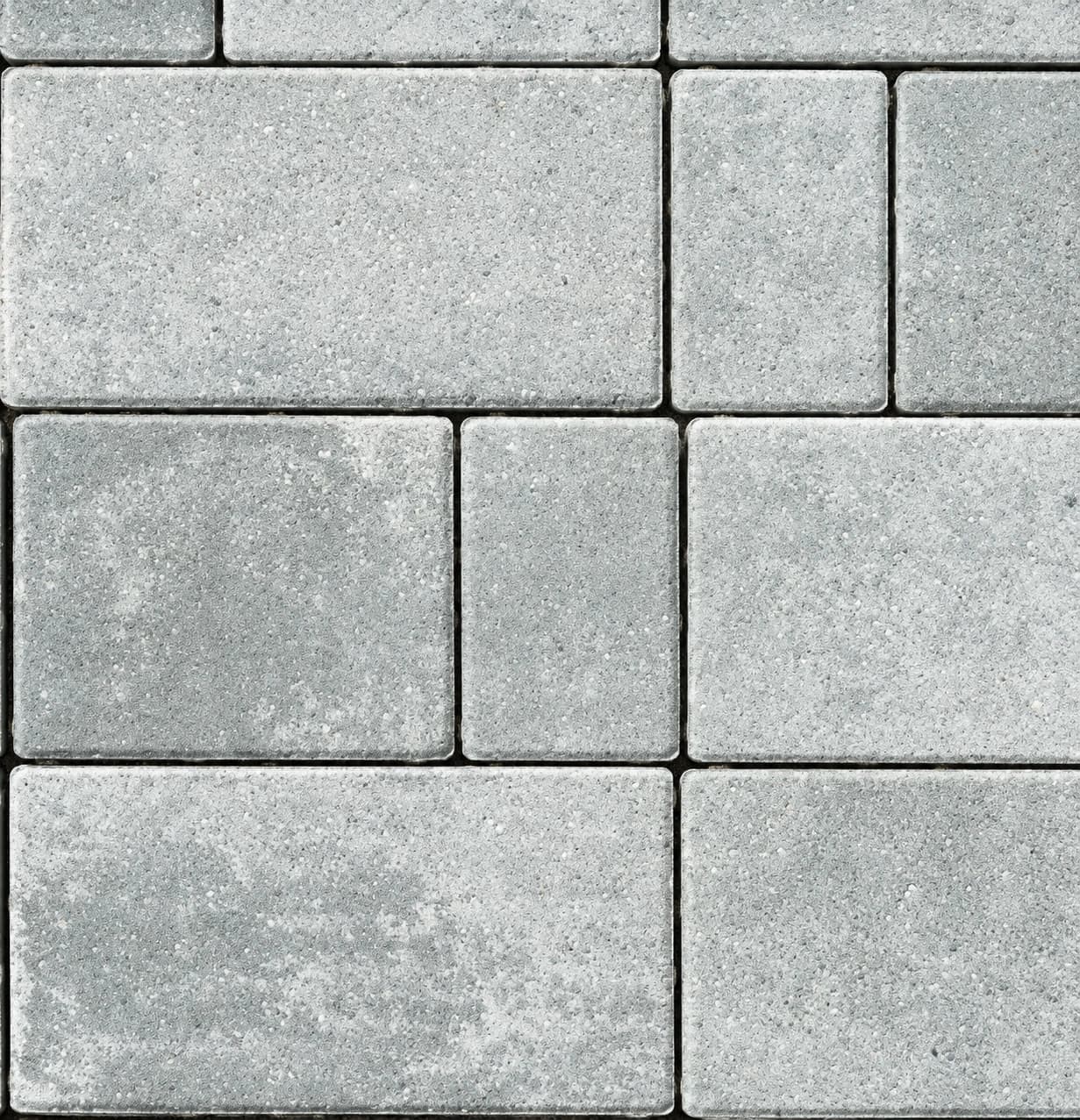
Concrete paver pattern
4 × 8 inches · 8 × 8 inches · 8 × 12 inches
Flat surface, beveled edge
Thickness: 60 mm
Three component sizes offer a different visual rhythm. Plan how the layout will meet the garage, entry path and outside edges.
Explore pattern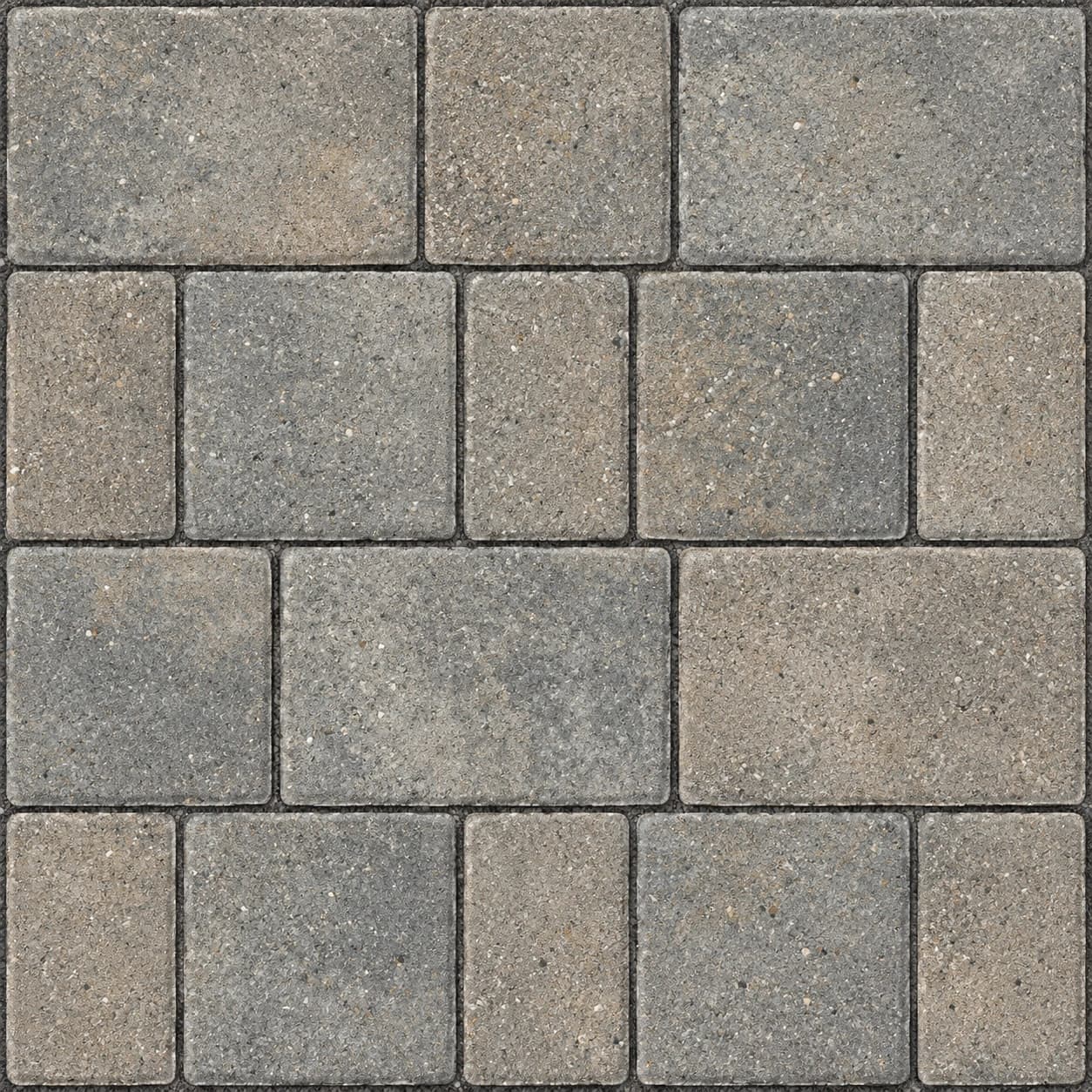
Concrete paver pattern
4 × 6 inches · 6 × 6 inches · 6 × 9 inches
Cobbled edge, flat surface
Thickness: 60 mm
Coverage / cube: 118 sq ft
Compare these three component sizes with Valencia when planning the driveway layout. Confirm your selected color and format combination with Universal.
Explore patternPlan with confidence
Tell your installer about everyday vehicles, deliveries and any heavier or occasional traffic. Those uses, the ground conditions and the site layout inform product thickness, base preparation and the overall pavement design. Universal provides material information; your installer or qualified project professional should confirm the system.
Review surrounding grades, garage thresholds, drains and landscape beds before installation. Your installer should evaluate how runoff will move across the finished surface and where it can discharge. Choose the drainage approach before fixing the final paving levels.
Using the same color and material creates continuity. A complementary color or border can distinguish the pedestrian route while keeping the entry coordinated. Compare both areas together, including steps and the front door.
Compare component sizes, the driveway dimensions and the amount of cutting at boundaries. A pattern shown in the catalog does not confirm every color-and-format combination or its suitability for your site. Review the exact product with Universal and the layout with your installer.
Explore Universal paver patternsLearn more
Pavers
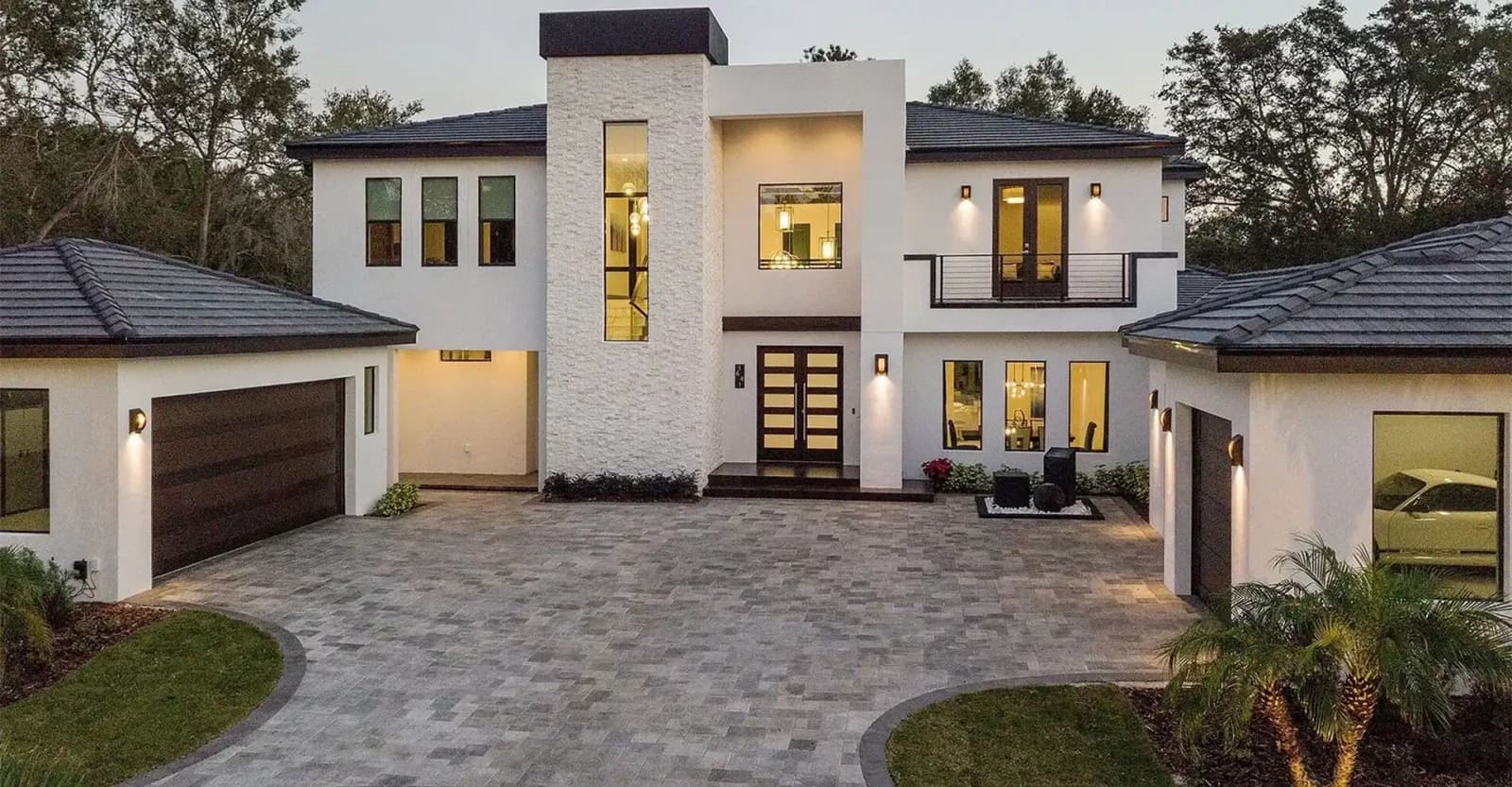
Consider sun, rain, drainage and maintenance when selecting concrete pavers for a Florida driveway, patio or walkway.
Read articleProject planning
A cube of Universal Hardscapes 60 mm concrete pavers covers 118–130 sq ft depending on the pattern. See coverage by pattern and how many cubes your project needs.
Read articleDiscover your direction
Start with a concrete-paver color and pattern, then share your driveway dimensions and vehicle use when discussing materials and pricing.
Compare pavers and poured concrete in Florida for project planning, drainage and repairs.
Plan your order
Tell us what you need. Our team will confirm pricing and availability.