
Universal Hardscapes
Shellstone Pool Decks in Florida: Pros, Cons, Care & How It Compares to Travertine
Shellstone is imported natural limestone with visible shell character and a tumbled finish. It offers a coastal palette for pool-deck planning, but its name and texture do not establish a temperature, wet-slip or strength rating. Compare the exact stone and installation requirements, and review care and warranty terms before choosing a treatment.
Material selection · Universal Hardscapes
Published
Request a sample or visit the Tampa showroom at 6005 Anderson Road. See our showroom locations for homeowner visit details; the manufacturing plant serves contractors only. Questions? Call (813) 884-0010.
What shellstone is
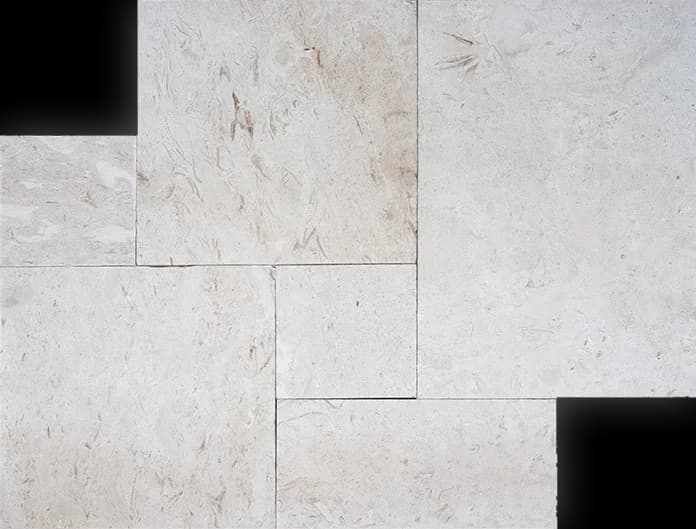
Shellstone is natural limestone imported by Universal. Its visible shell character gives the surface a coastal look; inspect several actual pieces to understand the variation.
Here’s what to know about the shellstone Universal Hardscapes carries: it’s a white blend with visible shell, with a tumbled finish, offered in a French Pattern and in 6 × 12, 12 × 24, 16 × 16, 16 × 24, and 24 × 24 inch formats, for pool decks, patios, and walkways. Because every piece varies, we recommend looking at physical samples.
Is shellstone good for a pool deck?
Shellstone is presented for pool-deck planning. Confirm suitability for the exact finish, pool conditions, drainage and installation before selecting it.
Pros of a shellstone pool deck
Surface temperature
Does shellstone stay cool?
Shellstone can get hot in full sun. Color, reflectance, exposure and weather affect surface temperature; porosity alone does not establish comfort. We do not publish comparative temperature measurements. Read Does Travertine Get Hot? for the factors to consider.
Wet-area suitability
Is shellstone slippery?
Shellstone has a naturally rough, textured surface. Traction depends on the exact finish, sealer, maintenance, and site conditions; compare physical samples and discuss wet-area suitability with your installer. No stone makes a wet deck risk-free, so treat any pool deck with care when it’s wet.
Coastal look, and every piece is different
Because it’s natural stone, no two pieces of shellstone look exactly alike. The shell and fossil patterns give your deck character you just can’t copy with a manufactured product. It pairs especially well with coastal, tropical, and Old Florida-style homes.
Cons and how to manage them
Durability and installation
How fragile is it, and does it chip?
We do not publish comparative hardness or strength data establishing Shellstone as softer than our travertines. Have your project professional assess the exact product, expected use, edge details and installation requirements.
Have the project professional specify support, bedding, joints and drainage for the stone and site. Need installation help? Use our Find a Contractor page to enquire about an independent installer.
Porous
Porosity and staining behavior vary with the stone, finish and exposure. A treatment may improve stain resistance on a compatible surface, but it does not make stone stain-proof. Not all stone requires sealing. Universal’s current product warranty states that sealing voids the warranty. Review the warranty terms before choosing a treatment.
Joint weeds and algae
How do you keep weeds and algae out of shellstone or travertine joints?
If weeds or algae develop, review cleaning, joints and drainage rather than assuming sealing will prevent them:
- Talk joints over with your installer up front. Whether joints are filled (with grout or joint sand) or left open affects how much room there is for dirt and seeds to settle.
- Keep the deck clean. Regular sweeping and rinsing removes the dirt and organic debris that weeds and algae need.
- Skip acidic and harsh cleaners. Installers caution that acidic or abrasive cleaners can damage shellstone, and the same caution applies to travertine. Home remedies like vinegar are acidic, so avoid them. Use a cleaner labeled safe for natural stone.
If the problem keeps coming back, have a contractor look at your joints and drainage. The Natural Stone Institute’s care guidance explains stone-compatible cleaning and why sealing is not required for every stone.
Shellstone vs travertine vs concrete pavers
Shellstone vs travertine: which is better?
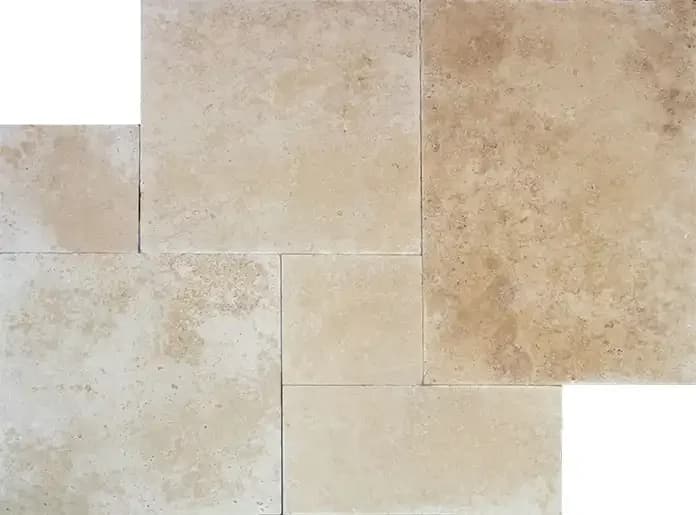
Compare catalog appearance and product-specific requirements. The following does not establish comparative performance ratings or a fixed cost ranking:
| Comparison | Shellstone | Travertine | Concrete pavers |
|---|---|---|---|
| Look | Natural limestone with visible shell character | Natural variation across five catalog colors | Defined color blends with variation between pieces and batches |
| Comfort in sun | Depends on exact product and exposure | Depends on exact product and exposure | Depends on exact product and exposure |
| Traction | Request exact-finish wet-use information | Request exact-finish wet-use information | Request exact-finish wet-use information |
| Durability | Product and installation-specific review | Product and installation-specific review | Complete pavement design and installation review |
| Maintenance | Follow stone-specific care and warranty | Follow stone-specific care and warranty | Follow product-specific care and warranty |
| Cost | Request a current comparable quote | Request a current comparable quote | Request a current comparable quote |
For costs, we don’t post prices because they depend on product, quantity, and your job. Learn what moves the number in our guide How Much Do Pavers Cost in Tampa Bay?, then call for a quote. For more comparisons, read Travertine vs Concrete Pavers for Tampa Bay Pool Decks and Concrete Pavers vs. Natural Stone: Durability and Care, or browse our travertine collection.
Shellstone coping: what to know

Can shellstone be used for coping?
Universal lists Shell Stone coping in 4x9, 4x9x4 and 12x24. Confirm the exact profile and dimensions; have your pool professional specify support, joints and the edge detail for the proposed construction.
Ask your contractor how they’ll support the nose. To see the coping Universal carries and learn how to choose a profile, read our pool coping replacement guide or visit our coping page.
Caring for a shellstone deck

How often do you seal shellstone?
First decide whether treatment is appropriate for the exact stone and review the warranty. Ultra Wet Look’s published 2–3-year reseal reference applies to suitable treated surfaces and depends on exposure and wear; it is not a requirement to seal all Shellstone.
Simple care routine:
- Sweep often to clear sand, leaves, and debris.
- Rinse the deck with water regularly.
- Clean with a pH-neutral cleaner made for natural stone. No acids, no harsh scrubbing.
- Assess any proposed treatment or recoating against the exact product instructions and warranty; do not seal solely on a fixed calendar.
Universal’s Ultra Wet Look can be used on suitable natural-stone surfaces. Natural stone may absorb sealer differently than concrete, so apply thin, even coats and avoid pooling. Confirm compatibility with your exact stone and test an inconspicuous area first. It adds a glossy wet look, so ask us about the finish you want and current instructions. Browse care products on our accessories page. For more on sealers, read How Often Should You Seal Pavers in Florida?. Universal’s current product warranty states that sealing voids the warranty. Review the warranty terms before choosing a treatment.
Is shellstone right for your pool?
Shellstone may be a great fit if:
- You love a coastal, natural look with lots of character
- The exact product and finish meet your project’s wet-area requirements after professional review.
- You understand the stone’s care requirements and warranty implications of any treatment.
- You’ll hire an installer experienced with natural stone who supports every edge
You might lean toward travertine or concrete pavers if:
- You prefer their particular color blends or natural variation after comparing samples.
- Their documented product properties better match your project requirements.
- Their product-specific care routine better suits your needs.
Plan quantities with How to Calculate Pavers and Pallets for Your Project, and explore illustrative design concepts on our inspiration page.
Frequently asked questions
Is shellstone good for a pool deck?
Shellstone is a catalog option for pool-deck planning. Verify the exact product, wet-area suitability and installation. Neither its texture nor its name establishes a safety or performance rating.
Does shellstone stay cool?
It can get hot in full sun. We do not publish comparative temperature data for Shellstone; light color and porosity alone do not guarantee barefoot comfort.
Is shellstone slippery?
Wet-slip behavior depends on the exact finish, treatment, maintenance and conditions. Ask what product-specific information is available; texture alone is not a safety rating.
How fragile is it, and does it chip?
Chipping and wear depend on the exact stone, handling, loads and installation. We do not publish comparative hardness or strength measurements; have the support and edge detail specified for the project.
How often do you seal shellstone?
Not all stone requires sealing. Review the warranty first. For a compatible treated surface, Ultra Wet Look’s typical 2–3-year reference depends on exposure and wear; assess the surface before recoating.
How do you keep weeds and algae out of the joints?
Keep the deck swept and rinsed, talk with your installer about how joints are filled, and use only cleaners labeled safe for natural stone. Avoid acidic cleaners like vinegar.
Shellstone vs travertine: which is better?
Compare their different natural appearance, available formats, product-specific documentation and care requirements. We do not have data establishing one as harder or more durable for every project.
Can shellstone be used for coping?
Universal lists Shell Stone coping in 4x9, 4x9x4 and 12x24. Confirm profile and dimensions, and have your pool professional specify the edge and support details.
Do you install shellstone?
No. Universal Hardscapes supplies stone and pavers. Find an independent installer on our Find a Contractor page. See our Warranty Terms & Conditions for coverage, conditions and claim instructions.
See shellstone in person
- See Shellstone at the Tampa showroom. Our showroom locations page provides homeowner visit details. Call ahead to confirm hours and samples; the plant serves contractors only.
- Call (813) 884-0010 for pricing. Same-day or next-day delivery is available throughout Tampa Bay and to job sites approximately 100–120 miles around Tampa. Call (813) 884-0010 to confirm product availability, quantities, delivery address and timing.
- Request a quote.
- Find an independent installer.
Planning a project?
Talk with Universal about the materials, samples and pricing for your project.
Request PricingContinue reading
Material selection
Does Travertine Get Hot? How Pool Deck Materials Compare in the Florida Sun
Does travertine get hot in Florida sun? Learn how color, finish and shade affect pool deck comfort, and compare materials at Universal Hardscapes.
Read article
Project planning
How Much Do Pavers Cost in Tampa Bay? The Factors That Drive Your Price (2026)
What drives paver cost in Tampa Bay: material, quantities, pattern, site preparation and labor. Learn how to request comparable material and installation quotes.
Read article
Material selection
Travertine vs Concrete Pavers for Tampa Bay Pool Decks
Compare travertine and concrete pavers for a Tampa Bay pool deck. Review appearance, care, product suitability and questions to ask before ordering.
Read article